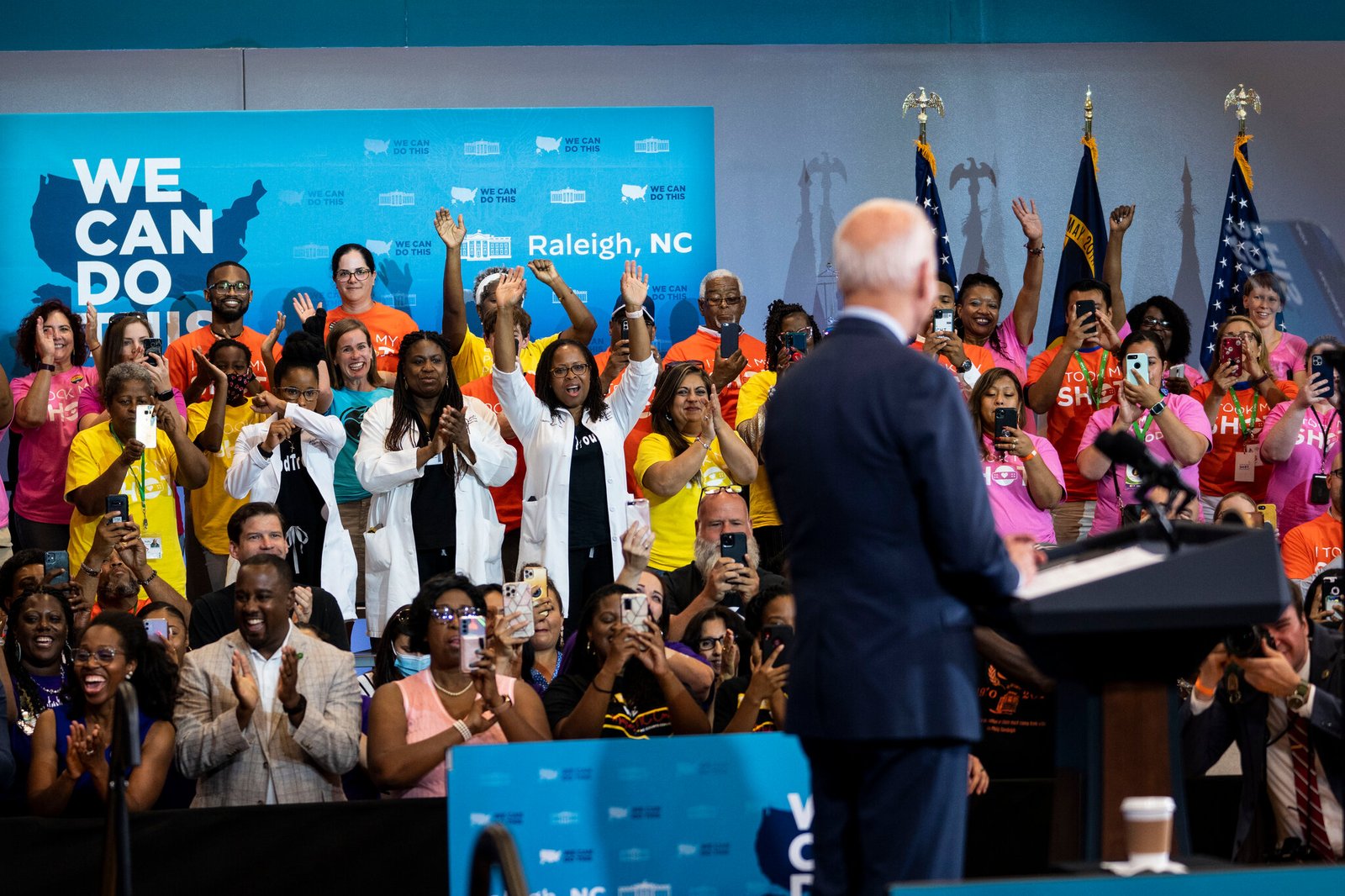
Picture this: It’s a crisp fall evening in 2024, and you’re scrolling through your feed. One video shows Donald Trump striding across a stage like he owns the planet, chest out, jaw set. The comments explode with young guys saying things like “Finally, a leader who gets it.” Meanwhile, across town, a college-aged woman posts about feeling empowered by candidates who talk empathy and shared chores. That divide isn’t random. It’s the masculinity effect in action—one of the most powerful, under-discussed forces reshaping American elections right now.
I’ve spent years watching campaigns, chatting with voters from barbecues in Pennsylvania to Zoom calls with Gen Z activists in California. What keeps hitting me is how deeply ideas of “being a man” color everything from who we vote for to what policies we cheer. It’s not just about tough talk. It’s about identity, anxiety, and sometimes straight-up survival instincts in a world that feels like it’s rewriting the rules for guys. Let’s unpack it all, step by step, with real data, real stories, and zero fluff.
What Exactly Is the Masculinity Effect in American Politics?
At its core, the masculinity effect describes how stereotypes of strength, dominance, and emotional stoicism influence voter choices, candidate strategies, and even policy support across the United States. It shows up when men feel their sense of manhood is under threat and lean toward aggressive leaders or tough-on-crime stances. Women candidates, meanwhile, often have to project these same traits just to be taken seriously.
Scholars like Monika McDermott and Dan Cassino have mapped this in their 2025 book Masculinity in American Politics. They argue it’s not biology—it’s the social script we’ve all absorbed. And in today’s polarized climate, that script is louder than ever.
Defining Masculinity Beyond Biology
Forget the old idea that masculinity equals being born male. Researchers now separate sex from gendered personality traits. Some women score higher on “masculine” scales like assertiveness, while plenty of men lean more collaborative. This distinction matters because voters reward candidates who check the traditional masculine boxes—think decisiveness and toughness—regardless of gender.
I once watched a focus group where a stay-at-home dad admitted he felt “less of a man” after losing his corporate job. That emotional hit? It translates straight to the ballot box.
Historical Roots of Masculine Leadership Stereotypes
From George Washington’s powdered wig to Teddy Roosevelt’s Rough Riders, American politics has always equated leadership with rugged manhood. A massive meta-analysis of decades of studies confirms it: people across cultures instinctively picture leaders as masculine—dominant, assertive, physically strong.
This isn’t ancient history. It still sets the baseline. When a candidate fails the “strong enough” test in voters’ minds, their poll numbers dip fast.
How Precarious Manhood Drives Political Aggression
Here’s where it gets fascinating—and a little uncomfortable. Psychologists call it “precarious manhood”: the nagging worry that your masculinity can be taken away with one wrong move. When that anxiety spikes, even liberal guys suddenly back harsher policies like the death penalty or military strikes.
It’s like flipping a switch. One study found men whose masculinity felt threatened were way more likely to support aggressive foreign policy. No wonder campaigns love poking at opponents’ “weakness.”
Trump’s Masterclass in Masculine Appeal
Love him or loathe him, Donald Trump turned the masculinity effect into an art form. His rallies, his walk, his “I alone can fix it” swagger—pure catnip for men worried about changing gender roles. New longitudinal research from Dan Cassino shows something wild: between 2018 and 2025, Trump-supporting men actually started rating themselves as more masculine over time.
It wasn’t just pre-existing views. Voting for him made them feel manlier. That feedback loop helped fuel his 2024 comeback.
From Manosphere Podcasts to the Ballot Box
Remember Trump’s marathon appearances on Joe Rogan, Tucker Carlson, and other “bro” platforms? Those weren’t random. They tapped straight into online spaces where young men hear that traditional manhood is under siege. Andrew Tate clips mixed with economic frustration created a perfect storm.
One 22-year-old I spoke with in Ohio put it bluntly: “They keep calling us toxic for wanting to provide and protect. Trump just says it’s okay to be a man.” That sentiment swung votes.
The 2024 Election: Young Men Swing Hard Right
The numbers don’t lie. In 2024, Trump won men aged 18-29 by 14 to 16 points in most exit polls—56% to around 40% for Harris among young women. That’s a massive reversal from previous cycles where young voters leaned left overall.
The gender gap among under-30s ballooned to 31 points in some analyses. Suddenly, the old “youth vote is Democratic” rulebook was obsolete.
Why Gen Z Guys Feel Left Behind Economically and Culturally
College enrollment? Women outpace men now. Good-paying trades? Automation and offshoring hit hard. On top of that, social media floods guys with messages that masculinity itself is problematic. Richard Reeves calls it the “boys and men” crisis in his book Of Boys and Men.
These aren’t abstract stats. They’re dads watching sons drop out, brothers feeling invisible. When Trump promised strength and respect, it landed.
Women Candidates Facing the Masculinity Trap
Flip the script to female candidates and the pressure flips too. Latina and Asian American women running for office are especially likely to lean into masculine imagery—tough-on-crime ads, military references—just to prove they can “fight.”
It’s a double bind. Too feminine and you’re “weak.” Too masculine and you’re “unlikeable.” Hillary Clinton and Kamala Harris both wrestled with versions of this.
Case Study: John Fetterman’s Masculine Image Takes a Hit
Pennsylvania Senator John Fetterman looked the part—tall, tattooed, hoodie-wearing everyman. Then came the 2022 stroke and depression treatment. Suddenly, disability stigma chipped away at that rock-solid masculine aura. McDermott’s research in the new book highlights exactly how this hurt his brand, even though “he looks about as masculine as you’re ever going to get.”
Voters forgive a lot, but perceived weakness in the manhood department? Not so much.
Partisan Divide: How Republicans and Democrats See Masculinity
Pew Research in late 2024 captured the split perfectly. Republican men were far more likely to rate themselves “highly masculine” (53% vs. 29% for Democratic men). And 45% of GOP men believed society views masculine guys negatively—compared to just 13-20% of Democrats.
Here’s a quick comparison table:
| View on Masculinity | Republican Men | Democratic Men | Overall Americans |
|---|---|---|---|
| Rate themselves highly masculine | 53% | 29% | 42% |
| Think society views masculine men negatively | 45% | 20% | 25% |
| Believe women’s gains hurt men | 31% | 16% | ~19% |
| Say physical strength isn’t valued enough | Higher | Lower | Mixed |
These gaps explain why messaging lands differently on each side.
Positive Masculinity: Strength Without the Toxicity
Not all masculinity is toxic. Healthy versions include protecting your family, standing up for beliefs, and yes—listening without shutting down. McDermott herself defines it as “strong leadership skills… willing to defend them, but you’re also willing to listen.”
The trick is celebrating the good while calling out the harmful extremes. Both parties could do better here.
Pros and Cons of Leaning Into Masculine Appeals
Pros:
- Motivates turnout among working-class and young men feeling overlooked
- Projects strength on national security and economy
- Creates clear contrast with opponents
Cons:
- Alienates women and moderate voters
- Reinforces stereotypes that hurt male mental health
- Risks backlash when performative (think overly aggressive ads)
Campaigns that balance both sides win bigger.
How Masculinity Influences Policy Preferences
Threatened masculinity doesn’t just affect votes—it shapes what policies people back. Studies show men worried about their manhood status support higher military spending, stricter immigration, and even capital punishment more readily. Liberal men aren’t immune either when the anxiety hits.
This explains some of the surprising crossover on tough issues.
The Role of Media and the Manosphere
Podcasts, TikTok, and YouTube have become masculinity classrooms for millions. Algorithms push content that validates traditional roles while framing Democrats as anti-male. Trump’s 2024 strategy—hitting those platforms hard—turned passive listeners into active voters.
It’s powerful because it feels personal, not preachy.
Changing Gender Roles and the Backlash Effect
As women gain ground in college and workplaces, some men feel the ground shifting under them. Pew found 31% of Republican men (and smaller shares elsewhere) believe women’s progress came at men’s expense.
That perception fuels the masculinity effect more than raw economics alone. It’s emotional.
Can Democrats Reclaim Masculine Ground?
Some strategists say yes—by talking fatherhood, trades jobs, and physical fitness without the bravado. Tim Walz tried the “dad” angle in 2024 with mixed results. Others warn against trying to “out-macho” Trump; it usually backfires.
The smarter play? Redefine strength to include vulnerability and teamwork.
Gen Z Redefining Masculinity on Their Own Terms
Younger guys aren’t monolithic. Many still want traditional provider roles, but others embrace therapy, shared parenting, and emotional openness. The divide within Gen Z is growing—and both parties are scrambling to speak their language.
Looking Ahead: The 2026 Midterms and Beyond
With Trump back in office, expect the masculinity effect to stay front and center. Future candidates who ignore it do so at their peril. The party that figures out how to talk to men without alienating women will dominate the next decade.
People Also Ask About the Masculinity Effect
What is the masculinity effect in American politics?
It’s the measurable way masculine stereotypes shape voter turnout, candidate appeal, and policy support—especially when men feel their manhood is threatened.
Why did young men shift toward Trump in 2024?
Economic pressures, cultural messages about “toxic masculinity,” and Trump’s direct outreach via podcasts created a perfect alignment with their frustrations.
Does masculinity help or hurt women running for office?
It helps if they project strength, but hurts if they overdo it and seem “unfeminine.” It’s a tightrope.
Is traditional masculinity under attack in America?
Many Republican men feel yes; most Democrats see it as evolving. Pew data shows the partisan split is huge.
How does precarious manhood affect voting?
It pushes men toward aggressive, “strongman” candidates and policies—even if they lean left on other issues.
FAQ: Your Top Questions Answered
Q: Is the masculinity effect new?
No, but it’s louder now thanks to social media and economic shifts. The 2016-2024 Trump era supercharged it.
Q: Can men embrace masculinity without being “toxic”?
Absolutely. Healthy masculinity—protection, responsibility, resilience—benefits everyone. The label “toxic” often gets weaponized unfairly.
Q: Will this divide keep growing?
Probably, unless leaders on both sides start addressing boys’ and men’s struggles head-on with real solutions, not slogans.
Q: What can everyday voters do?
Talk to the guys in your life without judgment. Understand their fears. Politics feels personal because it is.
Q: Where can I learn more?
Check McDermott and Cassino’s Masculinity in American Politics (NYU Press, 2025), Pew’s 2024 masculinity report, and Richard Reeves’ Of Boys and Men.
The masculinity effect isn’t going away. It’s woven into the American story—power, identity, change. The candidates and parties who understand it deeply, rather than dismiss it, will write the next chapter. And the rest of us? We’ll keep watching, voting, and maybe even having honest conversations around the dinner table. Because at the end of the day, real strength has always included the courage to listen.
About the Author