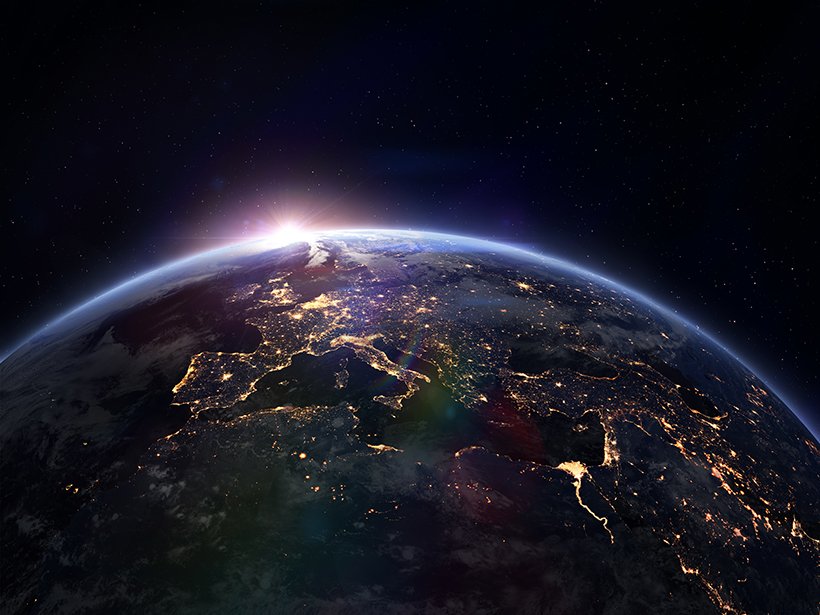
I still remember unrolling my first paper world map on the living room floor as a kid in the early 2000s. My finger traced from Lahore all the way to New York, dreaming of adventures I didn’t even know how to pronounce yet. That simple sheet of paper sparked something in me that no textbook ever could. Today, whether you’re planning a backpacking trip or just satisfying curiosity at 2 a.m., world maps, solid geography knowledge, and smart travel info remain your best travel companions. This guide pulls everything together in one place — no fluff, just practical, real-world insights from someone who’s relied on them across continents.
The Fascinating History of World Maps
Maps have told humanity’s story for thousands of years, evolving from cave sketches to satellite precision. Ancient Babylonians etched clay tablets around 600 BCE showing the world as they knew it. Fast-forward, and explorers like Ptolemy in the second century laid groundwork that still influences modern cartography. Every map you use today carries echoes of those early dreamers who dared to imagine beyond the horizon.
Ancient Cartography Roots
Early maps weren’t just directions — they were power statements. Egyptian and Chinese civilizations drew river systems and trade routes that guided entire empires. The Greeks added latitude and longitude concepts, turning maps into scientific tools. I always chuckle thinking how Ptolemy’s “known world” stopped at the edges of Europe and Asia, leaving the rest as “terra incognita.” Those blanks fueled centuries of exploration.
Evolution Through the Ages
The Age of Discovery in the 1400s exploded mapmaking. Portuguese and Spanish sailors returned with fresh data, forcing cartographers to redraw everything. Mercator’s 1569 projection revolutionized sea travel, even if it stretched the truth about sizes. By the 1800s, detailed atlases became household staples. Today’s digital versions feel like magic, but they stand on shoulders of those brave mapmakers who sailed into the unknown.
Types of World Maps Explained Simply
Not all maps serve the same purpose, and picking the right one can save you headaches on the road. Political maps highlight borders and capitals, while physical ones reveal mountains, rivers, and oceans in vivid relief. Thematic maps add layers like population density or climate zones. Understanding these differences turns a confusing image into your personal GPS.
Political Maps for Borders and Countries
These show nations, states, and cities with clear lines. They’re perfect for planning international trips or understanding geopolitics. Clickable versions online let you jump straight to country details. I used one before my first Europe trip and avoided visa mix-ups that plague first-timers.
Physical and Relief Maps
Shades of green to brown show elevation, helping you picture real terrain before you pack hiking boots. Rivers, deserts, and plateaus pop off the page. These maps saved me during a trek in the Himalayas — seeing the steep relief made me swap sneakers for proper boots.
Thematic and Specialty Maps
Want to know where coffee grows or how time zones shift? Thematic maps deliver. Climate maps warn about monsoon seasons, while population ones reveal bustling hotspots. Travelers swear by them for off-the-beaten-path planning.
How Map Projections Shape What You See
Every flat map distorts our round planet somehow — that’s the math of turning a sphere into paper. Some stretch sizes, others shapes. Knowing these quirks prevents surprises, like realizing Greenland isn’t a continent-sized monster. It’s a game-changer for accurate trip planning.
Mercator Projection: Navigation Favorite
This classic keeps angles true for sailors but blows up polar regions. Greenland looks bigger than Africa on it — hilarious until you learn the truth. Great for sea routes, less ideal for fair size comparisons.
Robinson and Compromise Projections
These balance distortions for a more realistic overall view. National Geographic often uses Robinson for its wall maps. They feel more “right” when you’re dreaming up a round-the-world itinerary.
Peters and Equal-Area Options
Peters projection nails relative sizes — Africa finally looks massive. Shapes warp a bit, but it’s honest about land area. Activists love it for correcting Euro-centric bias.
Here’s a quick comparison table of popular projections:
| Projection | Strengths | Weaknesses | Best For |
|---|---|---|---|
| Mercator | True directions, navigation | Polar exaggeration | Sailing, Google Maps base |
| Robinson | Balanced look and feel | Some area and shape distortion | General reference, education |
| Peters | Accurate relative sizes | Distorted shapes | Fair global comparisons |
| Dymaxion | Minimal distortion overall | Unusual layout, hard to read | Creative data visualization |
How to Read and Use World Maps Like a Pro
Legends, scales, and symbols aren’t decoration — they’re your secret code. Spend two minutes studying them and you’ll navigate like a local. I learned this the hard way in Bangkok when a simple compass rose saved me from a wrong turn.
Mastering Scale and Distance
That tiny bar telling “1 inch = 100 miles” prevents wildly wrong estimates. Always check it before calculating drive times. Digital maps auto-adjust, but paper ones need your attention.
Understanding Legends and Symbols
Little icons for airports, mountains, or highways pack big meaning. Color codes for elevation or roads vary by publisher. National Geographic maps do this brilliantly — clean and intuitive.
Latitude, Longitude, and Coordinates
These invisible lines pinpoint anywhere on Earth. Apps use them silently, but knowing basics helps when Wi-Fi dies. 0° latitude is the equator — cross it and you’re officially tropical.
Key Geographical Concepts Every Traveler Needs
Geography isn’t just memorizing capitals; it explains why places feel the way they do. Mountains block rain, oceans moderate temperatures, and tectonic plates create epic landscapes. Grasping these basics turns you from tourist to informed explorer.
Seven Continents and Five Oceans
Asia towers as largest, followed by Africa, North America, South America, Antarctica, Europe, and Australia. Pacific Ocean dominates water coverage. These divisions help chunk your travel dreams into manageable lists.
Climate Zones and Their Impact
Tropical, temperate, desert, polar — each zone dictates packing lists and best visit times. Monsoons in South Asia or midnight sun in Scandinavia aren’t random; geography drives them.
Major Landforms and Features
From the Andes to the Sahara, these define adventure options. Rivers like the Amazon or Nile shaped civilizations. Knowing them helps you choose hikes, safaris, or river cruises wisely.
Geography Highlights: Must-Know Facts for Smarter Trips
Facts stick better when tied to real journeys. The highest point? Mount Everest at 8,848 meters. Longest river? Nile or Amazon depending on measurement method. These nuggets spark conversations and better planning.
Continent Size and Population Comparison
Asia holds over 4.7 billion people — more than all others combined. Australia is the smallest continent yet packs unique wildlife. Quick table for perspective:
- Asia: 44.5 million km², ~60% world population
- Africa: 30.3 million km²
- North America: 24.7 million km²
- And so on — sizes matter for flight times and culture shock expectations.
Biodiversity Hotspots Worth Visiting
Places like the Amazon or Galápagos reward geography nerds with species found nowhere else. Coral reefs in Australia’s Great Barrier face climate threats — timing your visit supports conservation.
How Geography Influences Global Travel Patterns
Mountain ranges create rain shadows, turning one side lush and the other dry. Ocean currents keep Europe milder than its latitude suggests. These patterns explain cheap flights, peak seasons, and why certain routes dominate.
Planning Trips Using Geography and Maps
Smart travelers let geography lead. Mountainous countries mean winding roads and longer drives. Island nations require ferry or flight coordination. I always overlay climate maps before booking hotels.
Choosing Destinations by Season and Terrain
Mediterranean summers scream beaches, but Andes winters offer epic skiing. Match your energy level to elevation — high-altitude spots need acclimatization time.
Budgeting for Geography Challenges
Remote polar trips cost more due to logistics. Tropical islands might save on heating but spike airfare. Factor terrain into transport costs early.
Best Tools and Resources for World Maps in 2026
Digital options exploded, but physical maps still hold magic. The right mix gives you backup when phones die. Google Maps remains king for daily use, yet specialized tools shine for deeper exploration.
Top Digital Map Apps for Travelers
Google Maps leads with real-time traffic, Street View, and offline downloads — perfect for international trips. Apple Maps excels in 3D Flyover views for cities. Waze crushes traffic avoidance. For serious adventurers, CalTopo and Avenza Maps offer topographic layers and GPS without signal.
Free Online World Map Resources
National Geographic’s interactive site and Geology.com’s clickable political map deliver free depth. Worldometers and Britannica add quick facts. Mapsofworld.com provides multilingual options and custom prints.
Physical Maps and Atlases Worth Owning
Nothing beats pinning destinations on a wall map. National Geographic wall maps use durable materials and stunning detail. Push-pin travel maps turn memories into art — I have one covered in flags from my journeys.
Pros and Cons: Digital vs Physical Maps
Digital Pros: Real-time updates, searchability, free layers
Digital Cons: Battery drain, data costs abroad
Physical Pros: No tech failure, tactile joy, great for planning
Physical Cons: Bulkier, outdated borders possible
Choose based on trip style — hybrid wins for most.
Interactive Maps and Modern Technology
Satellite imagery and 3D rendering changed everything. Zoom from space to street level in seconds. AI now suggests routes considering weather and crowds.
Google Earth and Virtual Exploration
Fly over Everest or dive the Mariana Trench without leaving home. It’s free, addictive, and perfect for pre-trip research. I “visited” Machu Picchu virtually first — made the real trek even better.
GPS, AR, and Future Tools
Augmented reality overlays directions on your camera. Offline GPS apps like Gaia GPS save hikers. By 2026, integration with smart glasses feels closer than ever.
Travel Information Powered by Geography
Geography answers the “why” behind great trips. Understanding plate tectonics explains Iceland’s hot springs. Ocean currents predict whale-watching seasons. It turns random vacations into meaningful experiences.
Time Zones, Currency, and Practical Tips
Crossing the International Date Line feels surreal. Apps handle conversions, but knowing basics prevents jet-lag disasters. Always check visa geography — land borders differ from airports.
Weather Patterns Every Traveler Should Track
Trade winds and jet streams drive global weather. Monsoon Asia flips seasons dramatically. Pack accordingly and you’ll avoid soggy disappointments.
Sustainable Travel Through Geographic Awareness
Fragile ecosystems like coral reefs need protection. Choosing low-impact routes respects local geography and communities. Small choices add up.
People Also Ask: Common Questions About World Maps, Geography, and Travel
Google users ask these constantly, so here are straight answers:
How many countries are in the world?
Most sources recognize 195 independent states, though some counts reach 206–207 including territories and disputed areas.
Why does Greenland look so big on maps?
Mercator projection stretches polar areas. In reality, Africa is 14 times larger than Greenland.
What is the best map app for international travel in 2026?
Google Maps wins overall for reliability, offline mode, and global coverage. Pair it with Avenza for topographic needs.
How many continents and oceans exist?
Seven continents and five traditional oceans (some geographers now count Southern as sixth).
Which map projection is most accurate?
No single one is perfect; equal-area like Peters preserves size, while others favor shapes or directions. Choose by purpose.
FAQ Section
What’s the difference between political and physical maps?
Political maps focus on human borders and cities; physical maps highlight natural terrain like mountains and rivers.
Do I need a paper map if I have Google Maps?
Yes for backup in remote areas or when batteries die. Plus, they’re fun for group planning.
How can geography help me save money on travel?
Avoid peak seasons in popular climate zones and choose accessible terrain to cut transport costs.
Are all world maps updated for current borders?
Reputable sources like CIA World Factbook and National Geographic update regularly, but always double-check disputed regions.
Where can I get free high-resolution world maps?
Geology.com, NASA’s Visible Earth, and public domain government sites offer excellent free downloads.
Conclusion: Your Next Adventure Starts With a Map
Maps don’t just show where — they reveal why places matter. Whether you’re tracing routes on paper or zooming through Google Earth, combining them with real geography knowledge turns good trips into unforgettable ones. I’ve stood on five continents because I let maps guide me, and you can too. Grab a map today, dream bigger, and step out. The world is waiting, one latitude line at a time.