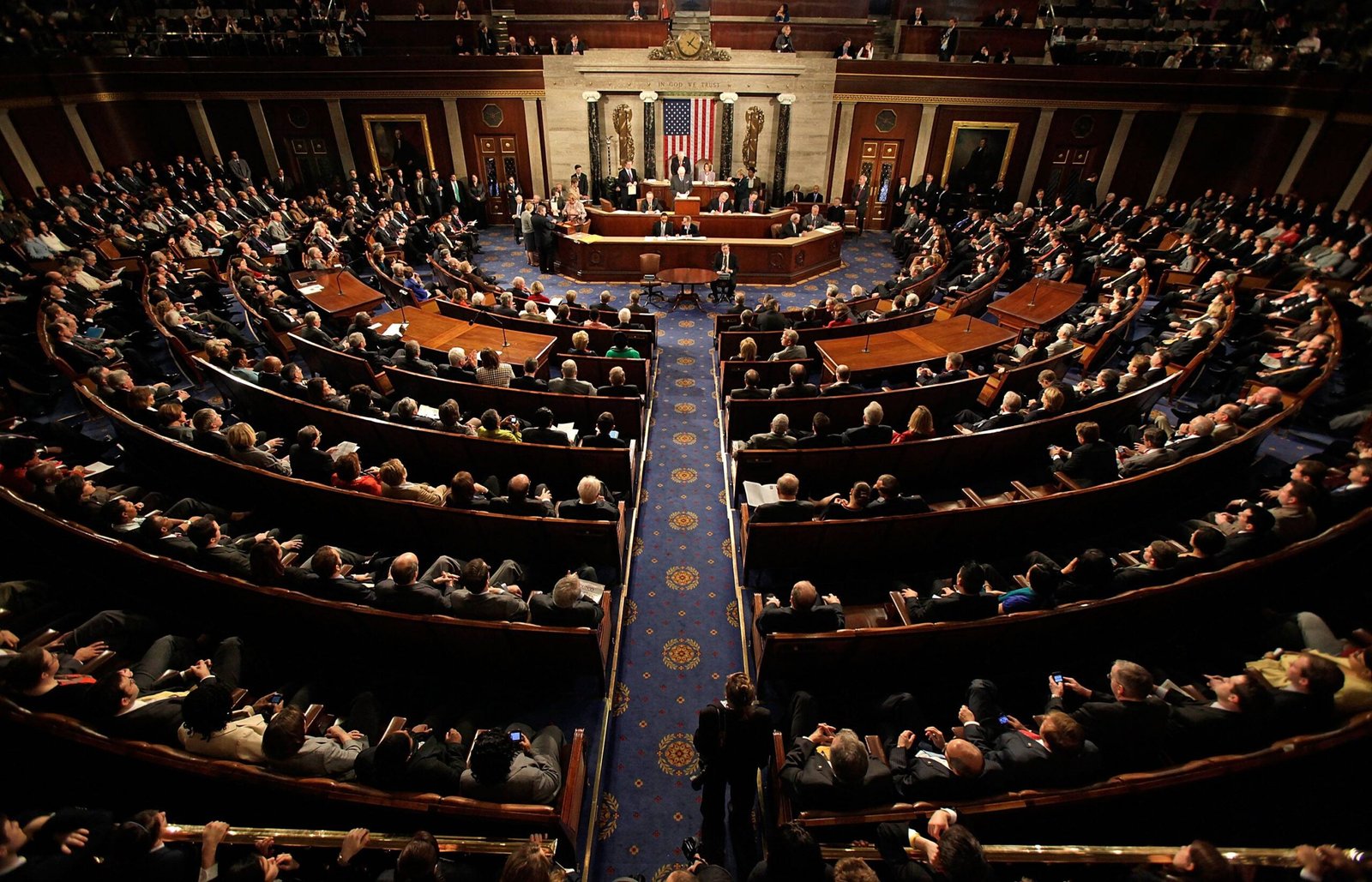
Have you ever wondered why a simple chat about gas prices can spark a full-blown argument at Thanksgiving? Or why your workplace feels like a battlefield over who gets the corner office? That, my friend, is politics at work. I remember the first time it hit me personally—back in my early twenties, fresh out of college and casting my very first vote. I stood in line thinking, “Is this really what it’s all about?” Turns out, politics touches everything from the laws that shape our mornings to the subtle power plays in our jobs. It’s not just for suits in fancy buildings. Let’s unpack what politics truly means, step by step, with real stories, clear examples, and zero fluff.
The Core Meaning of Politics in Simple Terms
Politics boils down to how people in any group decide who gets what, when, and how. It’s the process of handling power, resources, and disagreements without everyone walking away bruised—well, most of the time.
Think about it like this: whether you’re dividing chores in a shared apartment or nations are negotiating trade deals, someone’s always influencing the outcome. That influence? Politics.
Etymology of Politics: Tracing the Word Back to Ancient Roots
The word “politics” comes straight from ancient Greece, specifically from “polis,” meaning city-state. Aristotle, that wise old philosopher from around 350 BC, wrote a book called Politiká—basically “affairs of the cities.” When it landed in English in the 1500s, it stuck.
I love this origin story because it reminds us politics wasn’t invented by modern spin doctors. It started with citizens in places like Athens figuring out how to live together. No wonder the Greeks called humans “political animals”—we’re wired for it.
Aristotle’s Take: Why He Called Humans Political Animals
Aristotle saw politics as the natural way humans thrive in communities. In his view, the polis wasn’t just a place to live; it was where we become our best selves through shared decisions.
He ranked governments too—good ones like monarchy or democracy served everyone, while bad versions like tyranny only helped the ruler. Reading his ideas today still feels fresh, like he’s warning us about selfish leaders we’ve all seen.
Harold Lasswell’s Famous Definition That Still Holds Up
American political scientist Harold Lasswell nailed it in 1936: politics is “who gets what, when, and how.” Simple, right? It cuts through the noise.
This definition explains everything from why billionaires influence elections to why your neighbor fights for better school funding. It’s about allocation—who wins the resources and why.
David Easton’s View: Politics as Authoritative Allocation of Values
Easton took it further, calling politics the “authoritative allocation of values for a society.” In plain English, it’s how leaders make binding choices about what society values—freedom, equality, security, you name it.
His systems approach shows politics as a cycle: demands come in, decisions go out, and feedback loops keep it running. Ever wonder why policies shift after public protests? That’s the cycle at work.
Politics as the Exercise of Power: The Real-World Angle
Many experts define politics simply as the exercise of power. Robert Dahl put it best—politics happens wherever power shapes outcomes.
Power isn’t always bad. It can build hospitals or protect rights. But when misused, it leads to the negative vibes we associate with “playing politics.” I’ve seen it in small offices where one person’s connections trump everyone else’s hard work.
Narrow vs. Broad Views: Where Do We Draw the Line?
Some folks keep politics narrow—only government stuff like elections and laws. Others go broad, saying it’s everywhere, even in families or friendships. Feminists famously declared “the personal is political,” pointing out how private decisions reflect bigger power structures.
Here’s a quick comparison:
- Narrow View: Limited to state institutions and formal government.
- Broad View: Includes any power relations, from office cliques to social media debates.
Which side are you on? Most of us live somewhere in between.
Politics in Ancient Civilizations: Lessons That Still Apply
Long before modern nations, Sumer and Egypt around 3000 BC had early political systems with kings, laws, and borders. Greek city-states perfected direct democracy, while Rome gave us the republic model.
These weren’t perfect—slavery was common—but they proved organized groups could achieve amazing things. Fast-forward, and you see echoes in today’s parliaments.
The Birth of Modern Politics: From Westphalia to Nation-States
The 1648 Peace of Westphalia changed everything by establishing sovereign states that don’t meddle in each other’s affairs. Then 19th-century nationalism created countries tied to shared language and culture.
Decolonization after World War II added dozens more nations. Globalization now layers international bodies like the UN on top. It’s messy, but it shows politics evolves with us.
Types of Political Systems: A Clear Breakdown
Political systems come in different flavors. Here’s a simple table to compare the main ones:
| System | Who Rules? | For Whose Benefit? | Real-World Example |
|---|---|---|---|
| Democracy | The people (or reps) | Everyone ideally | United States, India |
| Monarchy | King/Queen | The realm (or ruler) | United Kingdom (constitutional) |
| Oligarchy | Small elite group | The elite | Some historical city-states |
| Authoritarianism | One leader or party | The ruler’s circle | Various modern examples |
| Anarchy | No one | Everyone (in theory) | Rare, short-lived |
No system is flawless, but understanding them helps you spot what’s happening around you.
Comparative Politics: Why Looking Across Borders Matters
Scholars in comparative politics study how different countries handle the same problems—like healthcare or climate change. Why does one nation thrive while another struggles? Culture, history, and institutions all play roles.
It’s eye-opening. You realize “the way we’ve always done it” isn’t the only way.
International Relations: Politics on the Global Stage
Beyond borders, international relations handles everything from trade wars to climate pacts. Realists say it’s all about power; liberals believe cooperation wins.
Recent examples like EU negotiations or UN climate talks show how nations bargain just like people at a family dinner—only with higher stakes.
Office Politics: The Version That Affects Your Paycheck
Politics isn’t only in capitals. Office politics means navigating alliances, favors, and subtle power plays at work. I once watched a colleague get promoted not for skills but because she mastered the “who you know” game.
It can feel slimy, yet ignoring it leaves you sidelined. The trick? Stay ethical while staying aware.
Identity Politics: When Personal Becomes Public
Identity politics focuses on groups defined by race, gender, sexuality, or other traits. Critics say it divides; supporters say it finally gives voice to the overlooked.
Either way, it shapes elections and policies today. Remember how movements like #MeToo changed workplace rules worldwide? Pure politics in action.
Why Politics Feels Negative: The “Dirty” Reputation Explained
Let’s be honest—many people hear “politics” and think corruption, lies, or endless arguing. Media highlights scandals, and terms like “playing politics” imply manipulation.
But here’s the flip side: without politics, we’d have chaos or tyranny. Bernard Crick called it the way free societies resolve differences peacefully. That positive angle gets lost in the noise.
The Importance of Politics in Daily Life
Politics decides your taxes, healthcare access, education quality, and even phone data privacy. It affects the air you breathe and the roads you drive on.
I felt this personally during the pandemic when political decisions determined mask rules and vaccine rollouts. Suddenly, abstract debates became life-or-death.
Pros and Cons of Getting Involved in Politics
Getting active has upsides and downsides. Here’s a balanced list:
Pros
- You shape the world around you
- Builds community and purpose
- Protects your rights and interests
- Can lead to real change
Cons
- Time-consuming and stressful
- Risk of conflict or backlash
- Sometimes feels pointless
- Can strain relationships
Weigh them for yourself—small actions like voting or local volunteering often tip the scale positively.
Common Misconceptions About What Politics Means
Myth 1: Politics is only for politicians. Wrong—every citizen participates.
Myth 2: All politicians are corrupt. Most work hard; a few spoil the bunch.
Myth 3: Politics never changes anything. History proves otherwise—women’s suffrage, civil rights, marriage equality.
Busting these myths makes politics feel less intimidating.
People Also Ask: Real Questions About Politics Answered
What is politics in simple words?
It’s how groups make collective decisions about power and resources. Nothing more, nothing less.
Who is considered the father of politics?
Aristotle gets the title for his systematic study in ancient Greece.
What are the main types of politics?
Domestic (inside countries), international (between nations), and organizational (like workplaces).
Can politics exist without government?
Absolutely—any group with power dynamics has politics, from tribes to sports teams.
Why should I care about politics?
Because it directly impacts your wallet, freedoms, and future. Ignoring it hands control to others.
FAQ: Your Top Questions on the Meaning of Politics
What does politics mean for everyday people?
It means your voice matters in decisions that affect your life. From local school boards to national elections, participation counts.
Is politics the same as government?
No—government is one arena, but politics happens anywhere power exists.
How do I start understanding politics better?
Read Aristotle’s Politics (it’s shorter than you think), follow neutral news sources, and talk to people who disagree with you.
What’s the difference between politics and political science?
Politics is the practice; political science is the study of it.
Can someone be apolitical?
Technically yes, but even not voting is a political act with consequences.
Politics isn’t perfect, but it’s how we humans sort out living together. Next time you hear the word, remember it’s not just distant drama—it’s your story too. Whether you dive in or stay observant, understanding what politics means empowers you. Grab a coffee, read a bit more on Aristotle or Lasswell, and see how it clicks in your own life. You’ve got this.